As we approach 2026, LinkedIn has evolved from a simple professional networking platform into a sophisticated intent-detection engine. Understanding LinkedIn high intent signals is no longer optional for B2B marketers-it's the difference between wasting time on cold prospects and connecting with decision-makers actively searching for solutions.
High intent signals reveal when prospects are researching, comparing, or ready to purchase. In 2026, LinkedIn's AI-powered algorithms combined with third-party intent data platforms have created unprecedented opportunities to identify these ready-to-buy leads. This guide will show you exactly how to leverage these signals for maximum conversion rates.
Understanding High Intent Signals on LinkedIn in 2026
High intent signals are behavioral indicators that suggest a prospect is actively researching solutions, comparing vendors, or preparing to make a purchasing decision. Unlike traditional cold outreach, targeting high intent prospects means you're reaching people already in the buying journey.
In 2026, LinkedIn tracks and reveals multiple high intent signals:
- Profile updates and job changes: When prospects update their profiles with new responsibilities or titles, they often have budget authority and are evaluating new tools
- Content engagement patterns: Repeated engagement with specific topics, especially competitor content or solution-focused posts
- Search behavior: LinkedIn's algorithm identifies users searching for specific solutions or technologies
- Group activity: Active participation in industry groups, especially posts asking for recommendations
- Company page visits: Repeated visits to vendor company pages indicate research behavior
- Connection patterns: Connecting with multiple vendors in the same category signals comparison shopping
According to recent B2B marketing research, prospects showing three or more high intent signals are 5.7 times more likely to convert than cold prospects. The key is identifying these signals systematically rather than relying on chance encounters.
LinkedIn's 2026 Intent Data Capabilities
LinkedIn has significantly expanded its intent data offerings heading into 2026. The platform now integrates multiple data sources to provide unprecedented visibility into buyer intent:
Native LinkedIn Intent Signals
LinkedIn's own platform generates powerful first-party intent data through user behavior. The Sales Navigator 2026 update includes enhanced intent features:
- Buyer Intent Alerts: Real-time notifications when prospects in your target account list show research behavior
- Content Consumption Tracking: Visibility into what content prospects are engaging with across LinkedIn
- Topic Interest Scoring: AI-powered analysis of prospect interest levels in specific solutions or topics
- Competitive Intelligence: Insights when prospects engage with competitor content or pages
Third-Party Intent Data Integration
LinkedIn now integrates with major B2B intent data providers, creating a comprehensive view of buyer research activity both on and off platform:
- Bombora Intent Data: Tracks content consumption across thousands of B2B websites
- 6sense Integration: Identifies accounts showing surge behavior in topic research
- ZoomInfo Intent: Combines technographic data with intent signals
- TechTarget Priority Engine: Technology-specific intent data from IT publications
These integrations allow you to identify prospects researching your solution category even before they arrive on LinkedIn, then target them with perfectly timed outreach when they appear on the platform.
Identifying High Intent LinkedIn Prospects: 2026 Methodology
Identifying high intent prospects requires a systematic approach combining multiple data sources and signals. Here's the exact methodology top B2B teams use in 2026:
Step 1: Define Your Intent Triggers
Start by identifying which behaviors indicate buying intent for your specific solution. Common high intent triggers include:
- Job titles searching for your solution category keywords
- Companies posting job openings that suggest tool adoption (e.g., hiring a "Marketing Automation Manager")
- Prospects engaging with content about problems your solution solves
- Connection requests to multiple vendors in your space
- Profile updates mentioning new initiatives aligned with your solution
Step 2: Layer Multiple Data Sources
The most effective intent targeting combines three data types:
First-party data: Your own website visitors, content downloaders, email engagers, and previous conversations. Use LinkedIn's Matched Audiences to create custom segments of these known contacts.
Second-party data: LinkedIn's native platform signals including profile views, content engagement, and Sales Navigator alerts.
Third-party intent data: External intent providers showing research behavior across the wider web. Integrate these signals into your LinkedIn targeting through platform integrations or manual list creation.
Step 3: Create Intent Scoring Models
Not all intent signals carry equal weight. Develop a scoring system based on signal strength:
- High value (10 points): Direct solution category research, competitor page visits, pricing page views
- Medium value (5 points): Problem-focused content engagement, group questions, profile updates
- Low value (2 points): General industry content engagement, new connections in your space
Prospects scoring 20+ points become priority targets for immediate outreach. Those scoring 10-19 enter a nurture sequence, while scores below 10 remain in broad awareness campaigns.
Step 4: Build Targeted Prospect Lists
Use LinkedIn Sales Navigator's advanced search combined with intent data to build highly targeted lists:
- Filter by job title, company size, industry, and geography to define your ICP
- Apply intent filters to show only prospects with recent activity or signals
- Save these searches and enable alerts for new prospects entering your criteria
- Export qualified prospects to your CRM with intent scores attached
Automation Strategies for High Intent LinkedIn Outreach
Once you've identified high intent prospects, timing becomes critical. These prospects are actively researching-waiting days or weeks to reach out means losing opportunities to faster competitors. This is where automation becomes essential.
Why Manual Outreach Fails with High Intent Prospects
High intent windows are typically short-research shows the average B2B buyer spends just 3-7 days actively comparing solutions before making a decision. Manual prospecting cannot keep pace with these compressed timelines.
Traditional LinkedIn outreach limitations include:
- Connection request limits (approximately 100 per week)
- Time-intensive manual message composition
- Inability to reach prospects at optimal engagement times
- No systematic follow-up process
- Limited capacity to test and optimize messaging
The Role of LinkedIn Automation Tools
Modern LinkedIn automation platforms solve these timing challenges while maintaining personalization. However, it's crucial to understand what works in 2026's environment.
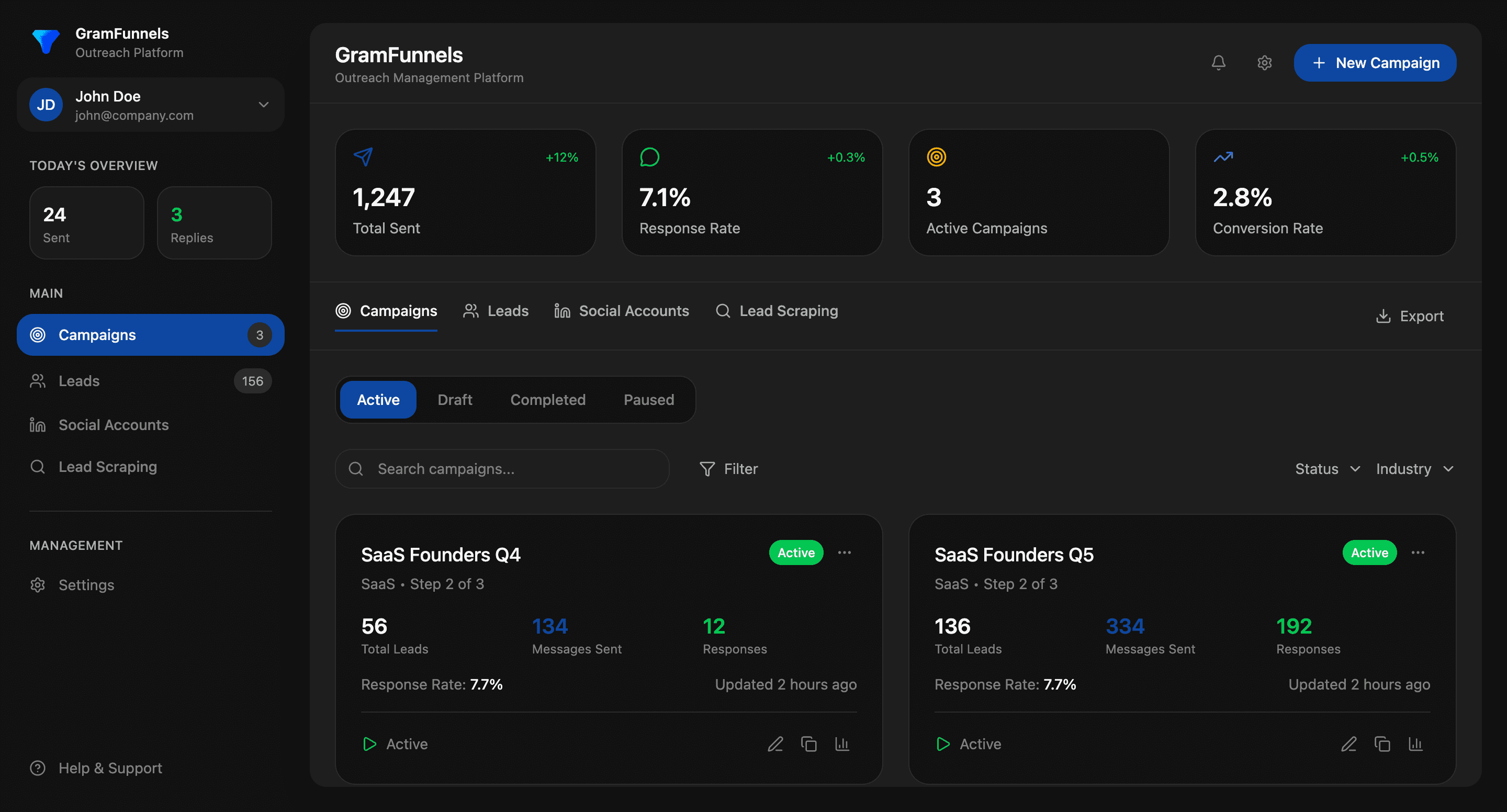
Important note about platform selection: When researching automation tools, ensure you're comparing platforms designed for the same social network. For example, if you're focused on LinkedIn automation, compare tools specifically built for LinkedIn prospecting. Tools like GramFunnels excel at Twitter/X automation with advanced DM features and lead generation, but operate on a different platform than LinkedIn tools like LinkedIn Helper or Expandi.
Best Practices for Automated High Intent Outreach
When using automation with high intent prospects, follow these 2026 best practices:
Trigger-based outreach: Set up automation to trigger immediately when prospects show specific high intent signals. For example, when someone views your LinkedIn profile three times in a week, send an automated but personalized connection request.
Contextual personalization: Use merge tags and AI-powered message generation to reference the specific intent signal that triggered outreach. Example: "I noticed you've been researching [solution category]-I'd love to share how [your company] approaches this challenge."
Multi-touch sequences: Design automated sequences that persist through the research phase. A typical high intent sequence includes: connection request, thank you message (24 hours later), value-share message (3 days later), specific solution discussion (5 days later), and direct meeting invitation (7 days later).
Smart rate limiting: Even with high intent prospects, respect LinkedIn's limits and avoid spam-like behavior. Quality automation tools include built-in rate limiting and randomized delays that mimic human behavior patterns.
Content Strategy for High Intent LinkedIn Audiences
Attracting and converting high intent prospects requires strategic content that addresses specific buying journey stages. In 2026, successful LinkedIn content strategies focus on intent capture rather than broad awareness.
Problem-Focused Content for Intent Generation
Create content that attracts prospects actively researching solutions:
- Comparison guides: "Solution A vs Solution B: Complete 2026 Comparison" posts attract prospects evaluating options
- Implementation case studies: Detailed walkthroughs of customer success stories with specific metrics and timelines
- ROI calculators: Interactive content that helps prospects quantify potential value
- Buying guides: "What to Look for When Choosing [Solution Category]" positions you as a trusted advisor
- Common mistakes posts: "5 Costly Mistakes When Implementing [Solution]" attracts prospects in planning phases
Retargeting High Intent Content Consumers
LinkedIn's 2026 advertising platform includes sophisticated retargeting capabilities for content engagers:
- Create custom audiences of users who engaged with your high intent content
- Serve targeted ads featuring direct solution messaging to these warm prospects
- Use LinkedIn's Conversation Ads to initiate direct dialogue with content consumers
- Implement InMail campaigns specifically for prospects who viewed but didn't engage
Video Content for Intent Capture
Video has become the dominant content format for B2B intent generation on LinkedIn. The platform's algorithm heavily favors native video, and prospects showing video engagement demonstrate stronger buying intent:
- Product demo snippets: 60-90 second clips highlighting specific features or use cases
- Customer testimonial videos: Short interviews with customers discussing their selection process
- Problem-solution explainers: Animated or whiteboard-style videos addressing common pain points
- Thought leadership interviews: Conversations with industry experts about trends and challenges
Track video view duration as an intent signal-prospects watching 75% or more of a product video show significantly higher conversion rates than those watching less than 25%.
Measuring and Optimizing High Intent LinkedIn Campaigns
Success with high intent targeting requires rigorous measurement and continuous optimization. The metrics that matter in 2026 have evolved beyond traditional vanity metrics.
Key Performance Indicators for High Intent Campaigns
Focus on these metrics to evaluate campaign effectiveness:
Intent-to-conversation rate: The percentage of identified high intent prospects who accept connection requests and engage in dialogue. Top performers achieve 40-60% rates with properly qualified high intent lists.
Conversation-to-meeting rate: The percentage of LinkedIn conversations that convert to scheduled sales calls or demos. High intent prospects should convert at 25-35% compared to 5-10% for cold prospects.
Deal velocity: The time from first LinkedIn contact to closed deal. High intent prospects typically close 40-60% faster than traditional pipeline deals.
Intent signal accuracy: The percentage of prospects identified as high intent who actually have active projects or budget. Track this through discovery calls to refine your intent models.
Cost per high intent lead: Calculate the total cost (tools, ads, time) divided by qualified high intent prospects identified. This becomes your benchmark for ROI analysis.
A/B Testing for High Intent Messaging
Continuously test messaging approaches with high intent segments:
- Acknowledgment vs. value-first: Test whether directly mentioning the intent signal ("I saw you're researching...") performs better than leading with pure value
- Question vs. statement openers: Compare open-ended questions with declarative value statements
- Short vs. detailed messages: Test concise 2-3 sentence messages against more comprehensive 4-5 sentence approaches
- Direct vs. soft CTAs: Compare "Let's schedule 15 minutes this week" with "Would you be open to a brief conversation?"
Run tests with at least 100 prospects per variant to achieve statistical significance. The highest converting messages should become your default templates.
Intent Data Quality Audits
Regularly audit your intent data sources to ensure accuracy:
- Conduct quarterly reviews of closed deals to identify which intent signals most accurately predicted conversion
- Survey prospects who didn't convert to understand false positive patterns
- Compare intent provider accuracy rates if using multiple sources
- Adjust intent scoring models based on actual conversion data rather than assumptions
The Future of LinkedIn Intent Targeting Beyond 2026
Looking ahead, several emerging trends will further revolutionize high intent targeting on LinkedIn:
AI-Powered Predictive Intent
LinkedIn is investing heavily in predictive AI that identifies prospects likely to enter high intent phases before traditional signals appear. These models analyze hundreds of behavioral factors to predict which accounts will begin solution research in the next 30-90 days.
Cross-Platform Intent Unification
Intent data is becoming increasingly unified across platforms. By 2027, expect seamless integration between LinkedIn signals, search behavior, social media engagement, and website activity into single unified intent scores.
Privacy-Compliant Intent Tracking
As privacy regulations evolve, intent data providers are developing new methodologies that respect user privacy while still providing actionable insights. Contextual intent (based on content topics) is replacing individual tracking methods.
Real-Time Intent Orchestration
Marketing automation platforms are building real-time intent orchestration capabilities that automatically trigger multi-channel campaigns the moment high intent signals appear, creating seamless prospect experiences.
Conclusion: Mastering LinkedIn High Intent in 2026
LinkedIn high intent targeting in 2026 represents a fundamental shift from interruptive to invitation-based B2B marketing. By systematically identifying prospects actively researching solutions, you transform cold outreach into timely conversations with ready-to-buy decision-makers.
The key success factors are:
- Combining multiple intent data sources for comprehensive signal detection
- Building systematic processes for intent identification and scoring
- Implementing automation that enables immediate response to intent signals
- Creating content specifically designed to attract and convert high intent prospects
- Continuously measuring and optimizing based on actual conversion data
Companies that master high intent targeting consistently achieve 3-5x higher conversion rates and 40-60% shorter sales cycles compared to traditional prospecting approaches. The investment in intent data, tools, and process development pays for itself many times over through improved efficiency and win rates.
Start by implementing the intent identification methodology outlined in this guide, then systematically add automation, content, and optimization layers. Within 90 days, you'll have a high-performing intent engine that consistently delivers qualified prospects ready for sales conversations.
The B2B buyers of 2026 expect vendors to understand where they are in their journey and provide relevant, timely value. High intent targeting makes this possible at scale, transforming LinkedIn from a networking platform into your most productive lead generation channel.