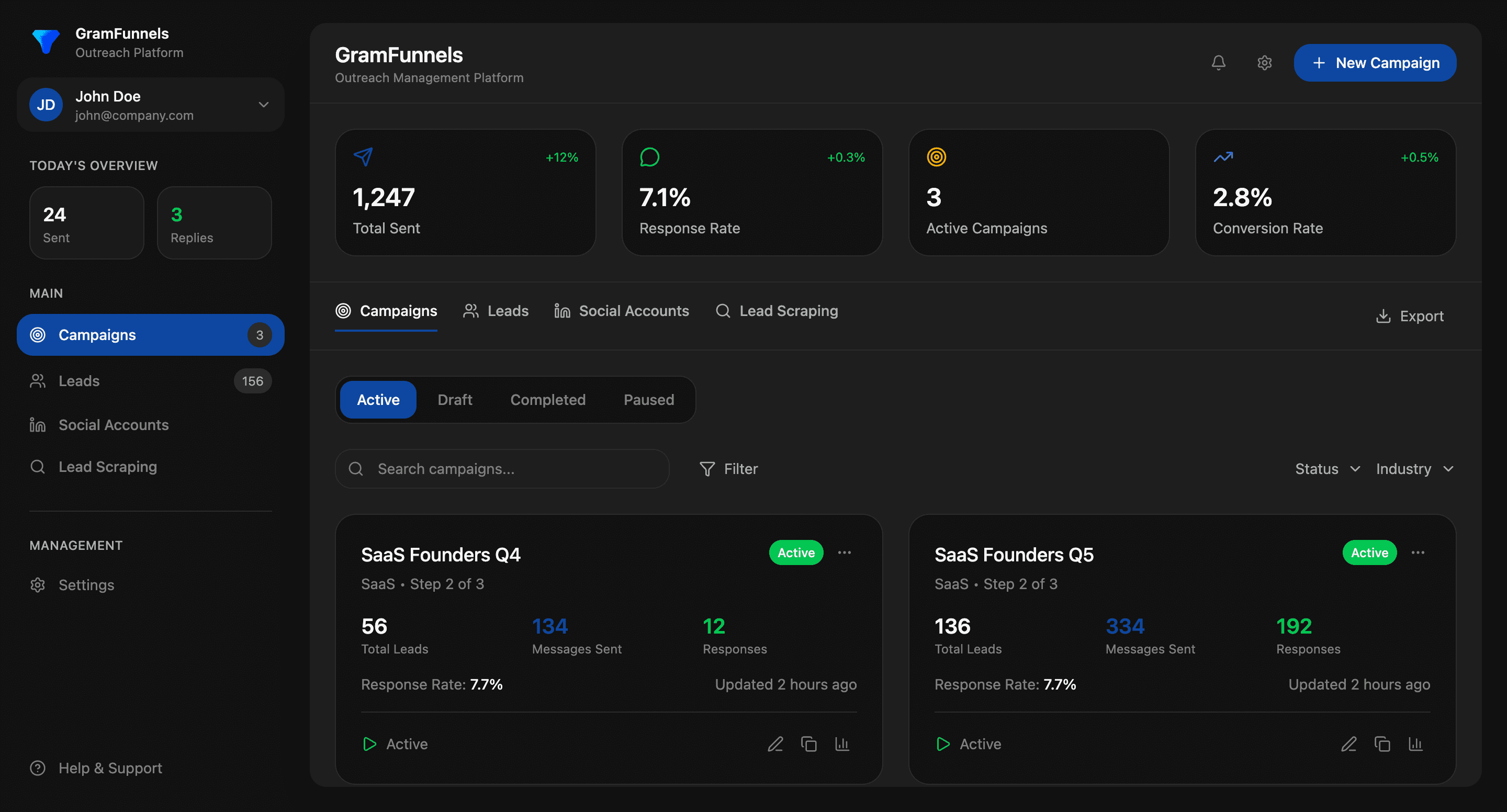
The sales development landscape is undergoing a fundamental transformation. Traditional SDRs (Sales Development Representatives) spend 21% of their day prospecting, 17% leaving voicemails, and significant time on administrative tasks. Meanwhile, only 2% of cold calls result in appointments, and response rates for mass emails hover around 1%. Enter the AI SDR: an artificial intelligence system designed to handle the repetitive, time-consuming aspects of sales development while learning and improving from every interaction.
But what exactly is an AI SDR, and how does it differ from marketing automation or basic chatbots? This comprehensive guide breaks down everything you need to know about AI Sales Development Representatives, from their core capabilities to practical implementation strategies.
Understanding AI SDRs: Definition and Core Capabilities
An AI SDR (Artificial Intelligence Sales Development Representative) is a software system that automates the prospecting, qualification, and initial outreach phases of the sales process. Unlike simple automation tools that follow rigid scripts, AI SDRs use machine learning and natural language processing to adapt their approach based on prospect behavior, conversation context, and outcomes.
Key Characteristics of AI SDRs
AI SDRs possess several defining capabilities that distinguish them from traditional automation:
- Autonomous Prospecting: AI SDRs continuously scan for qualified leads based on predefined criteria, analyzing thousands of data points including job changes, company growth signals, technology usage, and engagement patterns
- Contextual Personalization: Rather than inserting names into templates, AI SDRs analyze prospect activity, company news, and behavioral signals to craft genuinely relevant messages
- Multi-Touch Campaign Management: They orchestrate sequences across multiple channels (email, LinkedIn, phone), adjusting timing and messaging based on engagement patterns
- Intelligent Follow-Up: AI SDRs detect buying signals in responses and adjust follow-up strategies accordingly, escalating hot leads to human reps
- Continuous Learning: The system improves over time by analyzing which messages, timing, and approaches generate the best response rates
The most sophisticated AI SDRs go beyond basic automation by incorporating intent data. For example, they can identify prospects who are actively researching solutions, engaging with competitor content, or showing other signs of buying intent. This approach, often called intent interception, allows them to reach prospects at exactly the right moment rather than with generic cold outreach.
How AI SDRs Actually Work: The Technical Foundation
Understanding the technology behind AI SDRs helps clarify what they can and cannot do. Modern AI SDR systems combine several AI technologies to simulate human sales development work.
Natural Language Processing (NLP)
NLP enables AI SDRs to understand and generate human-like text. This goes far beyond mail merge personalization. Advanced NLP models can:
- Analyze prospect responses to detect interest level, objections, and next steps
- Generate contextually appropriate follow-up messages that reference previous conversations
- Identify questions and automatically provide relevant information
- Detect sentiment and adjust tone accordingly
Machine Learning Models
Machine learning powers the "intelligence" in AI SDRs by identifying patterns in successful outreach:
- Predictive Lead Scoring: Models analyze historical conversion data to predict which prospects are most likely to convert
- Optimal Timing: Algorithms determine the best time to send messages based on response patterns
- Message Optimization: A/B testing at scale to identify which message variations perform best
- Channel Selection: Learning which prospects respond better to email versus LinkedIn versus phone
Data Integration and Enrichment
AI SDRs connect to multiple data sources to build comprehensive prospect profiles:
- CRM systems for existing customer and lead data
- Company databases for firmographic information
- Social media platforms for behavioral and engagement data
- Intent data providers to identify active buyers
- Technographic data to understand the prospect's tech stack
This data integration enables AI SDRs to move beyond surface-level personalization and reference specific, relevant details that demonstrate genuine research and understanding.
The Evolution from Traditional SDRs to AI-Powered Sales Development
To appreciate what AI SDRs bring to the table, it helps to understand the traditional SDR model and its limitations.
Traditional SDR Challenges
Human SDRs face several structural challenges:
- Limited Capacity: Even top performers can only manage 50-100 meaningful prospect touches per day
- Inconsistent Quality: Quality varies based on experience, mood, energy levels, and individual skill
- High Turnover: SDR roles typically see 30-40% annual turnover, creating constant training needs
- Expensive Scale: Each additional SDR costs $60,000-$80,000 annually in salary, plus training, tools, and management overhead
- Manual Research: SDRs spend hours researching prospects instead of actively selling
How AI SDRs Address These Limitations
AI SDRs fundamentally change the economics and scalability of outbound sales:
- 24/7 Operation: AI SDRs work continuously across time zones without fatigue
- Massive Scale: A single AI SDR can manage thousands of concurrent conversations
- Consistent Quality: Every interaction follows best practices and brand guidelines
- Instant Onboarding: No months-long ramp time; AI SDRs can be configured and deployed in days
- Cost Efficiency: Typically 70-90% less expensive than building an equivalent human SDR team
However, it's crucial to understand that AI SDRs work best when complementing human sales teams, not replacing them entirely. They excel at the top of funnel, handling initial outreach and qualification, while human reps focus on complex conversations, relationship building, and closing deals.
Real-World Applications: When and How to Use AI SDRs
AI SDRs shine in specific scenarios and struggle in others. Understanding these use cases helps determine whether an AI SDR fits your sales motion.
Ideal Use Cases for AI SDRs
High-Volume Outbound Campaigns: When you need to reach thousands of prospects with personalized messaging, AI SDRs can maintain quality at scale that would be impossible for human teams.
Intent-Based Prospecting: AI SDRs excel at monitoring multiple intent signals and immediately reaching out when prospects show buying behavior. They can track competitors' LinkedIn posts, industry hashtags, job changes, funding announcements, and dozens of other high-intent buyer signals simultaneously.
Follow-Up and Nurture Sequences: The consistent follow-up is where many human SDRs fail. AI SDRs never forget to follow up and can manage complex multi-touch sequences that adapt based on engagement.
Market Expansion Testing: When entering new markets or testing new ICPs (Ideal Customer Profiles), AI SDRs provide a low-risk way to validate demand before investing in full sales teams.
After-Hours Coverage: For companies selling internationally, AI SDRs can engage prospects in different time zones while your human team sleeps.
Where AI SDRs Currently Fall Short
Despite rapid advancement, AI SDRs have limitations:
- Complex, Consultative Sales: Deals requiring deep discovery, custom demonstrations, or nuanced negotiation still need human expertise
- Relationship-Heavy Industries: In sectors where trust and personal relationships drive decisions, AI SDRs should support rather than replace human interaction
- Handling Objections: While improving, AI SDRs struggle with unexpected objections or complex competitive situations
- Creative Problem-Solving: When prospects have unique challenges requiring creative solutions, human intelligence remains superior
The Hybrid Model: AI + Human SDRs
The most effective implementations combine AI and human SDRs:
- AI SDRs: Handle initial prospecting, first touch, qualification, and nurture sequences
- Human SDRs: Take over once prospects show meaningful interest, handle complex questions, and build relationships
- Account Executives: Focus exclusively on demos, negotiations, and closing
This model typically increases overall pipeline by 3-5x while reducing cost per qualified lead by 60-80%.
Evaluating AI SDR Platforms: What to Look For
Not all AI SDR solutions are created equal. When evaluating platforms, consider these critical factors:
Data Quality and Sources
The foundation of effective AI SDR work is accurate, comprehensive data. Ask potential vendors:
- Where does their data come from?
- How frequently is it updated?
- What's their data accuracy rate for email addresses and contact information?
- Do they provide intent data, and if so, what signals do they track?
Personalization Capabilities
True personalization goes beyond inserting first names. Evaluate:
- Can the AI reference specific company news, recent hires, or growth signals?
- Does it adapt messaging based on prospect's role, industry, and company size?
- Can it incorporate prospect's social media activity or content engagement?
- How does it handle responses and adjust follow-up accordingly?
Channel Coverage
Different prospects prefer different channels. Look for platforms that support:
- Email outreach with deliverability optimization
- LinkedIn messaging and InMail
- Phone and voicemail (with transcription)
- Integration with your existing CRM and sales tools
For B2B companies specifically, LinkedIn capabilities are crucial. The platform has become the primary channel for B2B prospecting, with decision-makers spending 17% more time on LinkedIn than other social platforms. Solutions that can identify and engage prospects showing LinkedIn high intent signals deliver significantly better results than generic email blasts.
Compliance and Safety
AI SDRs operate at scale, which amplifies the impact of compliance issues. Ensure the platform:
- Respects opt-outs and unsubscribe requests automatically
- Complies with GDPR, CAN-SPAM, and other relevant regulations
- Protects your domain reputation with proper email authentication
- Uses external infrastructure to protect your personal LinkedIn account
- Provides audit trails for all outreach activities
Learning and Optimization
The "AI" in AI SDR should continuously improve performance:
- Does the system A/B test messaging automatically?
- Can it identify which approaches work best for different segments?
- Does it provide actionable insights on what's working and why?
- How quickly does it adapt to changing response patterns?
Implementing AI SDRs: Best Practices and Common Pitfalls
Successful AI SDR implementation requires more than just signing up for a platform. These best practices help maximize results while avoiding common mistakes.
Start with Clear ICP Definition
AI SDRs are only as good as the targeting criteria you provide. Before launching:
- Document your Ideal Customer Profile with specific firmographic criteria (company size, revenue, industry, tech stack)
- Define buyer personas including roles, pain points, and common objections
- Identify the buying signals that indicate active intent
- Set clear qualification criteria for when leads should be passed to humans
Craft Strong Messaging Foundations
While AI SDRs personalize at scale, they need solid base messaging:
- Develop value propositions for different personas and use cases
- Create message frameworks that focus on prospect challenges, not product features
- Write conversation starters that invite dialogue rather than sounding like pitches
- Build response libraries for common questions and objections
Set Realistic Expectations
AI SDRs won't magically solve poor product-market fit or weak value propositions. Realistic expectations include:
- Response rates of 5-15% for well-targeted campaigns (vs. 1-3% for spray-and-pray)
- Qualified meeting rates of 1-3% of total outreach
- 30-90 days to optimize messaging and targeting
- Continuous monitoring and refinement
Monitor and Refine Continuously
AI SDRs require ongoing management:
- Review conversations weekly to identify patterns and improvement opportunities
- Adjust targeting based on which segments respond best
- Update messaging as you learn what resonates
- Train the AI on your best responses and successful conversations
- Watch deliverability metrics and adjust sending patterns if needed
Common Pitfalls to Avoid
Over-Automation: Don't automate everything. Some prospects need human touch from the start. Build rules for when to escalate immediately.
Ignoring Responses: AI SDRs can start conversations, but if interested prospects get slow responses, you waste the opportunity. Ensure someone is monitoring the inbox.
Poor List Quality: Garbage in, garbage out. Investing in high-quality, intent-based prospect lists dramatically improves results compared to scraping or buying generic databases.
Generic Messaging: If your AI SDR sounds like every other cold email, it will get ignored. Invest time in crafting messaging that's genuinely relevant and valuable.
Neglecting Compliance: Scaling up without proper compliance measures can damage your domain reputation or worse, trigger legal issues. Always prioritize permission-based marketing and respect opt-outs.
The Future of AI SDRs: What's Coming Next
AI SDR technology is advancing rapidly. Several trends are shaping the next generation of sales development automation:
Voice and Video Capabilities
AI-powered voice systems are becoming sophisticated enough to handle initial qualification calls. While still in early stages, voice AI SDRs can:
- Make outbound calls to qualify leads
- Answer inbound inquiries and route to appropriate reps
- Conduct preliminary discovery and capture key information
- Schedule meetings with qualified prospects
Deeper Intent Intelligence
Future AI SDRs will incorporate increasingly sophisticated intent signals:
- Website behavior tracking across multiple properties
- Content consumption patterns
- Competitor research activity
- Budget cycle indicators
- Organizational changes suggesting buying readiness
Predictive Analytics
AI systems will better predict which prospects are likely to convert, when they'll buy, and what objections they'll raise. This allows SDRs to prioritize effectively and prepare for conversations.
Autonomous Account Research
Next-generation AI SDRs will autonomously research accounts, identifying key stakeholders, mapping buying committees, and uncovering unique insights that enable highly personalized outreach.
Integration with Revenue Intelligence
AI SDRs will increasingly integrate with conversation intelligence and revenue platforms, learning from actual sales calls and closed deals to continually refine their approach.
Making the Decision: Is an AI SDR Right for Your Business?
AI SDRs aren't appropriate for every business. Use this framework to evaluate fit:
Good Candidates for AI SDRs
- B2B companies with clearly defined ICPs
- Sales teams doing high-volume outbound prospecting
- Organizations with limited SDR budget or headcount
- Companies scaling into new markets or segments
- Businesses with long sales cycles requiring consistent nurture
- Teams struggling with SDR consistency and turnover
Poor Candidates for AI SDRs
- Very small markets with only dozens of potential prospects
- Ultra-high-touch sales requiring relationship building from first contact
- Complex technical sales where deep discovery is required immediately
- Companies without product-market fit still figuring out messaging
- Organizations unable to respond quickly when prospects show interest
Questions to Ask Before Implementing
- Do we have enough prospects to make automation worthwhile? (Generally need 5,000+ total addressable accounts)
- Is our value proposition clear and compelling?
- Can we respond to interested prospects quickly when AI SDRs generate leads?
- Do we have the budget for quality tools and data?
- Are we committed to monitoring and optimizing performance?
Conclusion: The AI SDR as a Force Multiplier
AI SDRs represent a significant evolution in sales development, but they're tools, not magic solutions. The most successful implementations treat AI SDRs as force multipliers that enable human sales teams to focus on what they do best: building relationships, solving complex problems, and closing deals.
When implemented thoughtfully with quality data, strong messaging, and clear processes, AI SDRs can dramatically increase pipeline while reducing cost per lead. They excel at consistent execution, massive scale, and never forgetting to follow up. However, they work best in partnership with human SDRs who bring empathy, creativity, and relationship-building skills that AI cannot yet replicate.
For B2B companies looking to scale outbound sales efficiently, AI SDRs have moved from experimental technology to proven capability. The question is no longer whether to use AI in sales development, but how to implement it effectively to complement your existing team and processes.
As you evaluate AI SDR solutions, prioritize platforms that offer genuine intelligence over simple automation, quality data over quantity, and flexibility to adapt to your specific sales motion. The future of sales development isn't purely human or purely AI-it's the powerful combination of both, with each focusing on their respective strengths to drive predictable, scalable revenue growth.